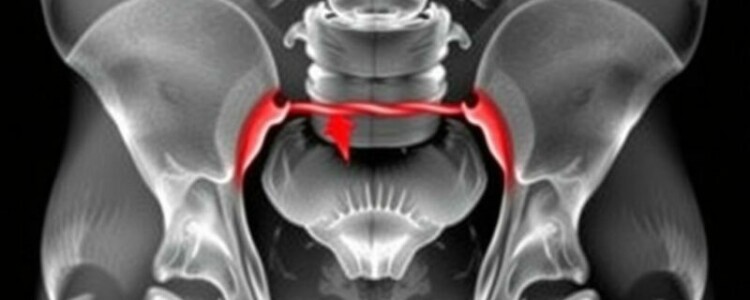
Appendicitis is one of the most common causes of acute abdominal pain and often requires prompt diagnosis to avoid complications such as perforation or abscess formation. Among the various clinical signs used to detect appendicitis, the obturator sign is a valuable, albeit sometimes overlooked, indicator. This article explores the obturator sign in appendicitis in depth—from its anatomical basis to how it is performed, its significance in diagnosis, and its limitations. Whether you’re a medical student, a healthcare professional, or simply curious, understanding this sign can provide critical insight into diagnosing appendicitis.
What Is the Obturator Sign?
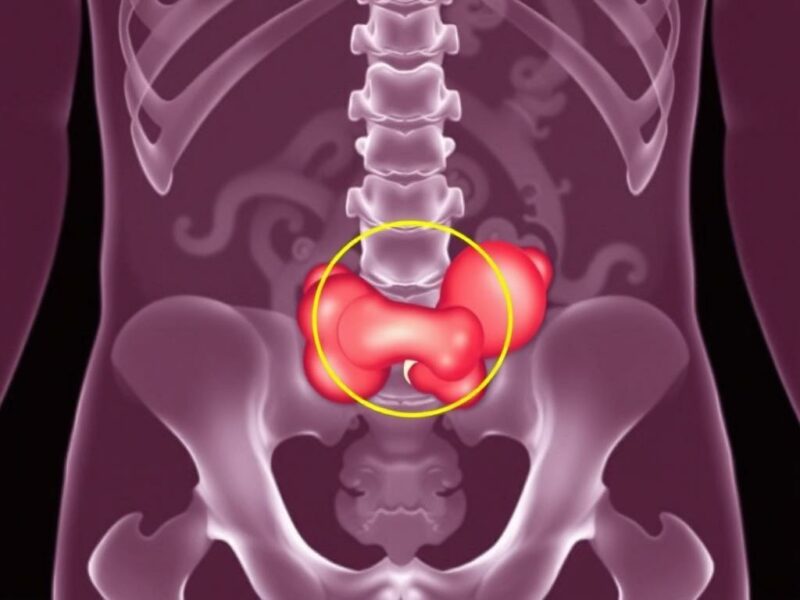
The obturator sign is a physical examination maneuver used by clinicians to help detect irritation of the obturator internus muscle, which can be caused by an inflamed appendix, especially when it lies in a pelvic position. When the inflamed appendix contacts or irritates this muscle, movement during the test elicits pain, signaling a possible diagnosis of appendicitis.
To appreciate this better, it’s helpful to understand where the obturator muscle lies and why it becomes painful in appendicitis. The obturator internus muscle is located in the pelvis, originating from the inner surface of the obturator membrane and surrounding bone, and inserting onto the femur. When the appendix is positioned low in the pelvis, inflammation can directly irritate the muscle, triggering discomfort.
How to Perform the Obturator Sign Test
Performing the obturator sign is straightforward but requires careful technique to elicit reliable results. The patient should lie supine on the examination table. The examiner flexes the patient’s right hip and knee to 90 degrees, then gently internally rotates the hip by moving the ankle away from the body while keeping the knee fixed.
This internal rotation stretches the obturator internus muscle. If the appendix is inflamed and irritating the muscle, the patient will report pain in the lower abdomen or pelvis during this movement. This reaction is considered a positive obturator sign.
Step-by-step guide to performing the obturator sign:
- Have the patient lie on their back (supine position).
- Flex the patient’s right hip and knee to 90 degrees.
- Hold the ankle with one hand and the knee with the other.
- Slowly rotate the hip by moving the ankle laterally (away from the body).
- Ask the patient if the movement causes any pain, particularly in the lower abdomen or pelvis.
- A pain response indicates a positive obturator sign.
Why Is the Obturator Sign Important in Diagnosing Appendicitis?
Appendicitis diagnosis remains a clinical challenge because the condition can present with a wide variety of symptoms and mimic other abdominal illnesses. The presence of a positive obturator sign may point towards an inflamed appendix, especially when it’s located in the retrocecal or pelvic positions. Such localization can alter the typical symptoms of appendicitis.
While classic appendicitis symptoms include periumbilical pain migrating to the right lower quadrant (RLQ), nausea, vomiting, and fever, pelvic appendicitis often presents with atypical features such as urinary frequency or discomfort, rectal pain, or lower abdominal pain. The obturator sign helps reveal pelvic irritation caused by appendicitis, which can otherwise be difficult to diagnose.
Other Common Physical Signs in Appendicitis
| Sign | Description | Relevance to Appendicitis |
|---|---|---|
| McBurney’s Point Tenderness | Palpation tenderness located one-third from the anterior superior iliac spine to the umbilicus. | Classic sign of RLQ pain; strong indicator of appendiceal inflammation. |
| Rovsing’s Sign | Palpation of the left lower quadrant causes pain in the right lower quadrant. | Suggests peritoneal irritation from appendicitis. |
| Psoas Sign | Extension of the right hip causes abdominal pain. | Indicates irritation of the psoas muscle by an inflamed appendix. |
| Obturator Sign | Internal rotation of the flexed right hip elicits lower abdominal or pelvic pain. | Suggests irritation of the obturator internus muscle, which may occur with pelvic appendicitis. |
When Is the Obturator Sign Most Useful?
The obturator sign is particularly useful in cases where the appendix is anatomically positioned in such a way that it irritates pelvic structures. This occurs when the appendix lies low in the pelvis, behind the bladder, or along the pelvic brim. In this location, patients may not demonstrate typical RLQ tenderness; instead, they might complain of vague pelvic discomfort or urinary symptoms.
Because of this, the obturator sign has enhanced diagnostic value in atypical presentations. It is important for the clinician to suspect a pelvic appendix in a patient with nonspecific lower abdominal pain and use the obturator sign alongside other clinical assessments to support diagnosis.
Clinical Settings Benefiting from Obturator Sign Assessment:
- Patients with lower abdominal pain and urinary symptoms.
- Women with suspected gynecologic causes of pelvic pain where appendicitis is a differential diagnosis.
- Children or elderly patients with atypical abdominal pain presentation.
- Cases with inconclusive laboratory or imaging results.
Limitations of the Obturator Sign
While the obturator sign is a helpful tool, it is not definitive on its own. As with many physical signs in appendicitis, sensitivity and specificity can vary widely depending on examiner experience, patient anatomy, and stage of disease. Some studies report low sensitivity, meaning many patients with appendicitis may not display a positive obturator sign.
Furthermore, the sign is less useful if the appendix is in the classic position rather than pelvic or retrocecal. Patients with muscular spasm or hip joint pathology may experience pain unrelated to appendicitis, making interpretation challenging.
It’s important for clinicians to integrate the obturator sign findings into the overall clinical context, including history, other physical signs, laboratory tests like white blood cell count, and imaging modalities such as ultrasound or CT scans.
Summary of Limitations:
| Limitation | Explanation |
|---|---|
| Low Sensitivity | Not all appendicitis patients have a positive obturator sign. |
| Variability in Examiner Technique | Lack of standardized performance can affect results. |
| Other Causes of Pain | Hip joint problems or pelvic infections can mimic a positive sign. |
| Appendix Position | Less helpful if appendix is not in pelvic position. |
Other Diagnostic Tools Complementing the Obturator Sign
Since appendicitis can be elusive, diagnosis typically requires a combination of approaches. Besides physical signs like the obturator sign, several blood tests and imaging investigations aid in confirming or ruling out the condition.
Laboratory Tests: Elevated white blood cell (WBC) counts and inflammatory markers like C-reactive protein (CRP) often support suspicion but are not diagnostic alone. They can be elevated in various infections or inflammatory states.
Ultrasound: Particularly useful in children and pregnant women, abdominal ultrasound can sometimes visualize an enlarged, inflamed appendix or detect an abscess. However, its accuracy depends on operator skill and body habitus.
Computed Tomography (CT) Scan: Considered the gold standard for diagnosing appendicitis in adults, CT scans offer detailed images showing an inflamed appendix, complications, or alternative causes of pain.
Using these tools alongside clinical examination—where the obturator sign has a role—helps improve diagnostic accuracy and guides timely surgical intervention.
Comparison of Diagnostic Tools
| Diagnostic Method | Advantages | Disadvantages |
|---|---|---|
| Obturator Sign | Simple, no cost, immediate bedside assessment | Low sensitivity, subjective interpretation |
| Blood Tests (WBC, CRP) | Non-invasive, supports diagnosis | Non-specific |
| Ultrasound | No radiation, good in children/pregnancy | Operator-dependent, less sensitive in obese patients |
| CT Scan | High sensitivity and specificity | Radiation exposure, cost, less accessible in some areas |
Final Thoughts on the Obturator Sign in Appendicitis
The obturator sign is a valuable clinical tool for identifying appendicitis, particularly when the appendix lies in a pelvic position causing irritation of the obturator internus muscle. While it is neither completely sensitive nor specific, it adds an important piece to the diagnostic puzzle, especially when used alongside other physical signs and complementary diagnostic techniques.
Healthcare providers should be adept at performing and interpreting the obturator sign but also recognize its limitations. Incorporating knowledge of anatomy, patient history, and other diagnostic findings ensures a more accurate and timely diagnosis of appendicitis.
Conclusion
The obturator sign remains a useful and interesting physical examination technique in the diagnosis of appendicitis, particularly for cases involving a pelvic appendix. Understanding how to perform and interpret this sign helps clinicians identify appendiceal irritation that might otherwise be missed. However, it should never be used in isolation; combining the obturator sign with other clinical assessments, laboratory tests, and imaging studies leads to the best outcomes. Appendicitis diagnosis is ultimately a combination of art and science, and the obturator sign exemplifies the enduring value of skilled clinical examination in modern medicine.